Product Overview
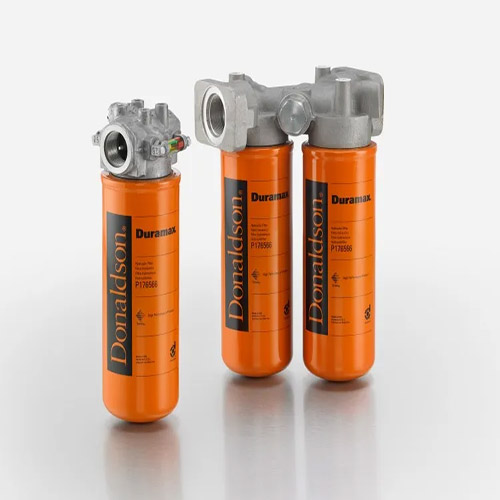
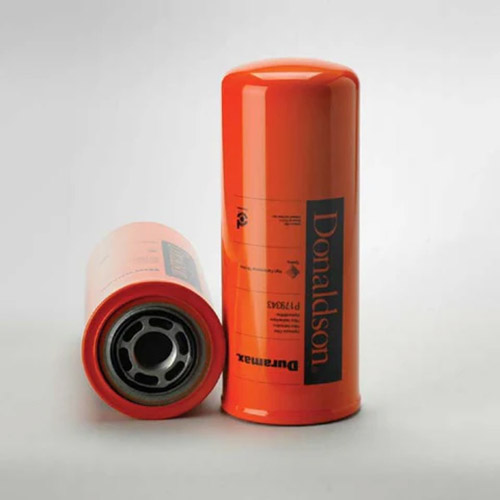
Spin-On filters are among the most widely used and reliable filtration solutions in the automotive, construction, agricultural and industrial equipment sectors. With their integrated design — cartridge and metal canister in one assembly — they allow fast, safe installation and can be replaced without opening a separate housing. Compact construction, reliable sealing and consistent performance have made Spin-On filters the standard choice across lubrication, fuel and hydraulic systems.
Design and Construction Features
Applications
Spin-On filters are used across a wide range of systems:
Product Categories
Engine Oil Filters (Spin-On Oil Filters)
Application: Lubrication systems of light and heavy petrol and diesel engines.
Functional Goal: Removal of wear particles, soot and oxidation products to extend bearing and moving-surface life.
- Separation efficiency up to 99% at the defined particle size
- Bypass valve calibrated to the engine design pressure
- Anti-drain back valve to prevent dry start
- High dirt-holding capacity for extended service intervals
As per engine application
Full engine operating temperature range
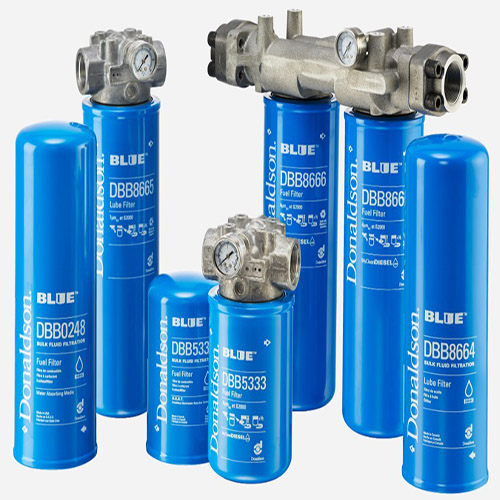
Fuel Filters (Spin-On Fuel Filters)
Application: Light and heavy diesel engines, construction equipment and generators.
Functional Goal: Removal of suspended particles and protection of pumps and sensitive injectors.
- Precision micron-rated media with high efficiency for fine particles
- Controlled pressure drop to maintain fuel flow rate
- Compatible with low-sulphur diesel and biodiesel fuels (subject to material selection)
Micron Rating
Per application
Per fuel type
Fuel Water Separator (Spin-On Fuel Water Separator)
Application: Diesel systems in humid conditions or where fuel has a high risk of water contamination.
Functional Goal: Separation of free and emulsified water from fuel to prevent corrosion, cavitation and injector damage.
- Coalescing media to agglomerate fine water droplets
- Lower bowl — metal or transparent — for water inspection and drainage
- Manual drain valve or water-in-fuel sensor alert (advanced models)
- Extended injection system service life
- Reduced failures caused by rust and microbial growth
- Combines particulate filtration and water separation in a single unit
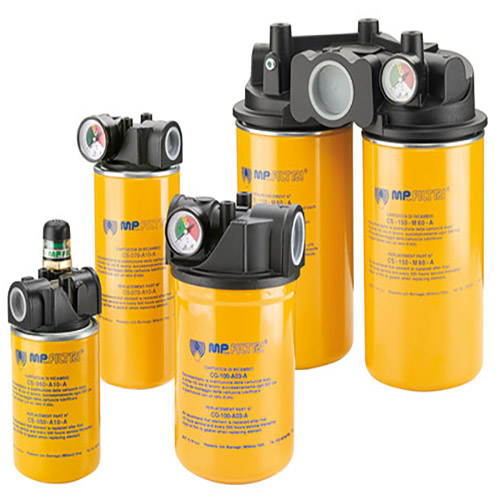
Hydraulic Filters (Spin-On Hydraulic Filters)
Application: Return lines, medium or low-pressure circuits in industrial hydraulic systems and heavy machinery.
Functional Goal: Control of hydraulic oil contamination level to the target cleanliness class (ISO 4406).
- Synthetic media with high Beta Ratio βx ≥ 200 at the specified particle size
- Designed to withstand sudden pressure pulses
- Available with or without internal bypass depending on circuit design
Per application class
Mineral and synthetic
Low
Operational Benefits
Available Technical Specifications
| Filtration Efficiency | Up to 99% at the defined particle size (per test standard) |
|---|---|
| Working Pressure | Per application type (oil, fuel, hydraulic) |
| Operating Temperature | Resistant across a wide temperature range |
| Thread Type and Seal OD | Per international standards |
| Filter Media | Cellulose, synthetic or composite |
Why PowerSep?
PowerSep draws on up-to-date technical knowledge and valuable experience in the filtration industry to produce Spin-On filters for engine oil, fuel, hydraulic and fuel water separator applications. Produced to international standards with rigorous quality control, these products deliver reliable performance and long service life for engines and industrial equipment.
OEM-Quality Production
Designed and manufactured to original equipment manufacturer requirements
High Filtration Efficiency and Optimised Pressure Drop
Best-in-class performance throughout the service interval
Calibrated Bypass and Anti-Drain Back Valves
Complete system protection under all operating conditions
Precision Sealing Resistant to Harsh Conditions
High-quality, durable O-rings and seals
Wide Range of Sizes and Thread Options
Direct replacement for a broad range of OEM part numbers
Stage-by-Stage QC and Functional Testing
Every unit undergoes pressure, leak and efficiency testing before shipment