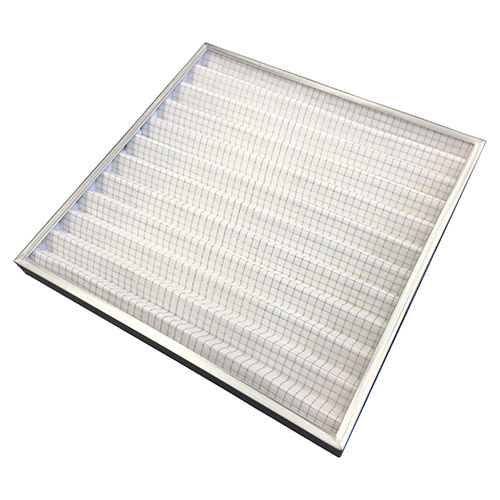
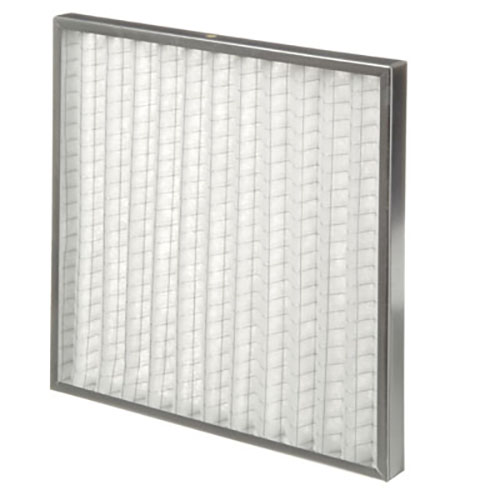
Product Overview
Panel filters are among the most widely used air filter types, offering optimal protection for engines, industrial equipment and ventilation systems through their flat rectangular design. Their high capability for removing suspended particles and dust gives them a key role in extending equipment life and reducing maintenance costs.
Structure and Features
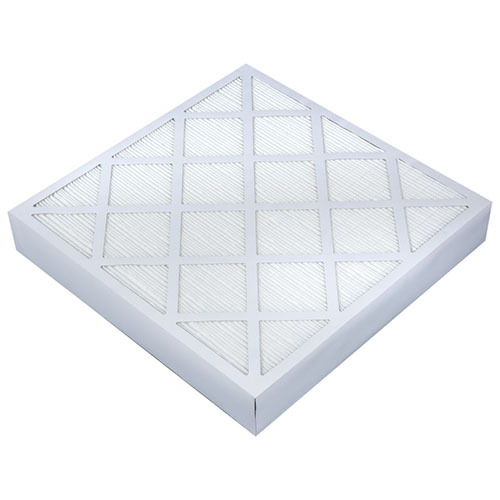
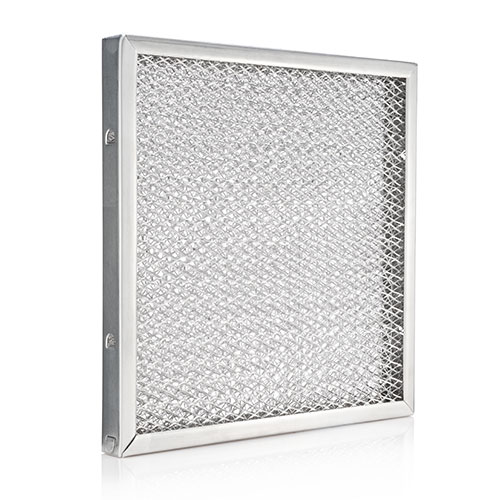
Panel filters are typically made from cellulose, synthetic or hybrid fibres, presented in metal or plastic frames. This construction ensures high mechanical resistance and optimum airflow.
Panel Filter Classification
Panel filters can be classified by several criteria:
1. By Filter Media Type
Suitable for removing dust and large particles, economical and easy to replace
Longer service life and ability to capture finer particles
Combination of both for optimum performance and extended service life
2. By Application
Passenger cars, trucks and commercial vehicles
HVAC systems, CNC machines, compressors and sensitive equipment
Building HVAC systems, hotels and hospitals
3. By Filtration Grade
Removal of larger particles such as dust, dirt and dry leaves
Capture of medium particles with better equipment protection
Removal of fine particles for industrial environments or modern vehicles
Applications
Panel filters are used across a wide range of applications due to their simple design and high efficiency:
Advantages
Standards
EN 779 Standard
HVAC and industrial ventilation systems
Assessment of air filter efficiency for removing suspended particles from airflow
EN 779 was a European standard classifying air filters based on suspended particle filtration efficiency and pressure drop. It divided filters into two main groups:
- Coarse Filters: removal of larger particles such as dust and lint
- Fine Filters: removal of fine particles down to 1 micron, improving air quality in sensitive environments
EN 779 has been replaced in recent years by ISO 16890 to provide a more comprehensive assessment of suspended particulate performance.
ISO 16890 Standard
HVAC and industrial ventilation, replacement for EN 779
Comprehensive assessment based on suspended particulates PM10, PM2.5 and PM1
ISO 16890 evaluates air filters based on real-world suspended particle filtration efficiency and divides them into three main groups:
- ePM10: filters that remove particles larger than 10 microns
- ePM2.5: filters that remove particles down to 2.5 microns
- ePM1: filters that remove very fine particles down to 1 micron
Filter Classification by Standard
| Filter Type | Class | Efficiency / Particles Removed | Application |
|---|---|---|---|
| Coarse Filters | G1 | Particles >10 µm | Primary ventilation protection, low-dust industrial environments |
| G2 | Particles >10 µm | Commercial buildings, factories and warehouses | |
| G3 | Large and medium particles | HVAC systems with higher airflow rates | |
| G4 | Large and medium particles | Pre-filter in industrial ventilation and public buildings | |
| Fine Filters | F5 | Medium particles 1–10 µm | Office buildings, domestic and industrial HVAC |
| F6 | Medium to fine particles | High air-quality environments and sensitive equipment | |
| F7 | Fine particles 0.5–2 µm | Light clean rooms, hospitals, final HVAC filter | |
| F8 | Fine particles 0.3–1 µm | Sensitive environments, precision industrial ventilation | |
| F9 | Very fine particles <0.3 µm | ISO Class 7–8 environments, precision ventilation systems |
| Filter Type | Class | Efficiency (particles ≥0.3 µm) | Application |
|---|---|---|---|
| HEPA | H10 | 85%–95% | Mid-grade clean rooms, medical equipment, specialist vehicle ventilation |
| H11 | 95%–99% | Hospitals, laboratories, industrial clean rooms | |
| H12 | 99.5%–99.9% | Operating theatres, sensitive industrial and pharmaceutical environments | |
| H13 | 99.95%–99.97% | ISO Class 5–6 clean rooms, semiconductor and pharmaceutical industries | |
| H14 | 99.995%–99.999% | Ultra-sensitive ISO Class 4–5, nano industries and vaccine/drug manufacturing | |
| ULPA | U15 | ≥99.999% (≥0.12 µm) |
Semiconductor production, nanotechnology, ultra-sensitive laboratories |
| U16 | ≥99.9995% (≥0.12 µm) |
ISO Class 1–3 clean rooms, very sensitive research environments | |
| U17 | ≥99.99995% (≥0.12 µm) |
Highly specialist industries, highest-standard research and cleanroom facilities |