What Is an Air Filter Housing?
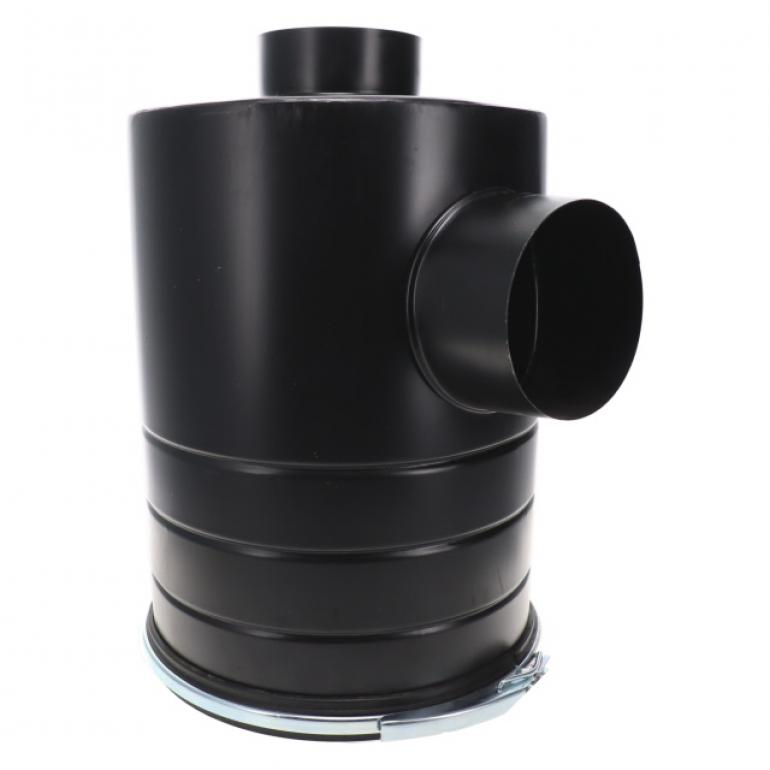
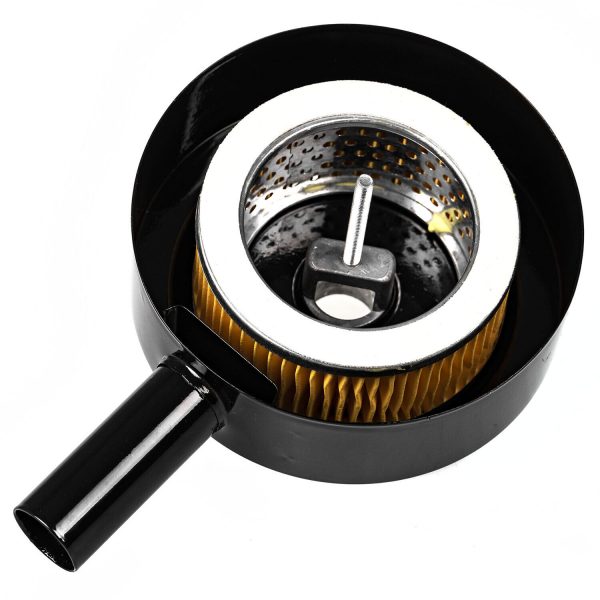
The air filter housing, or compressor filter housing, is a key component of the air filtration system in compressors and industrial equipment. Beyond holding the filter in place, these housings provide mechanical protection and optimize airflow. Proper housing design extends filter life, reduces pressure drop, and protects the compressor from dust and suspended particles.
Features & Benefits
Types of Air Filter Housing
Air filter housings are typically categorized by compressor type, airflow capacity, and environmental conditions:
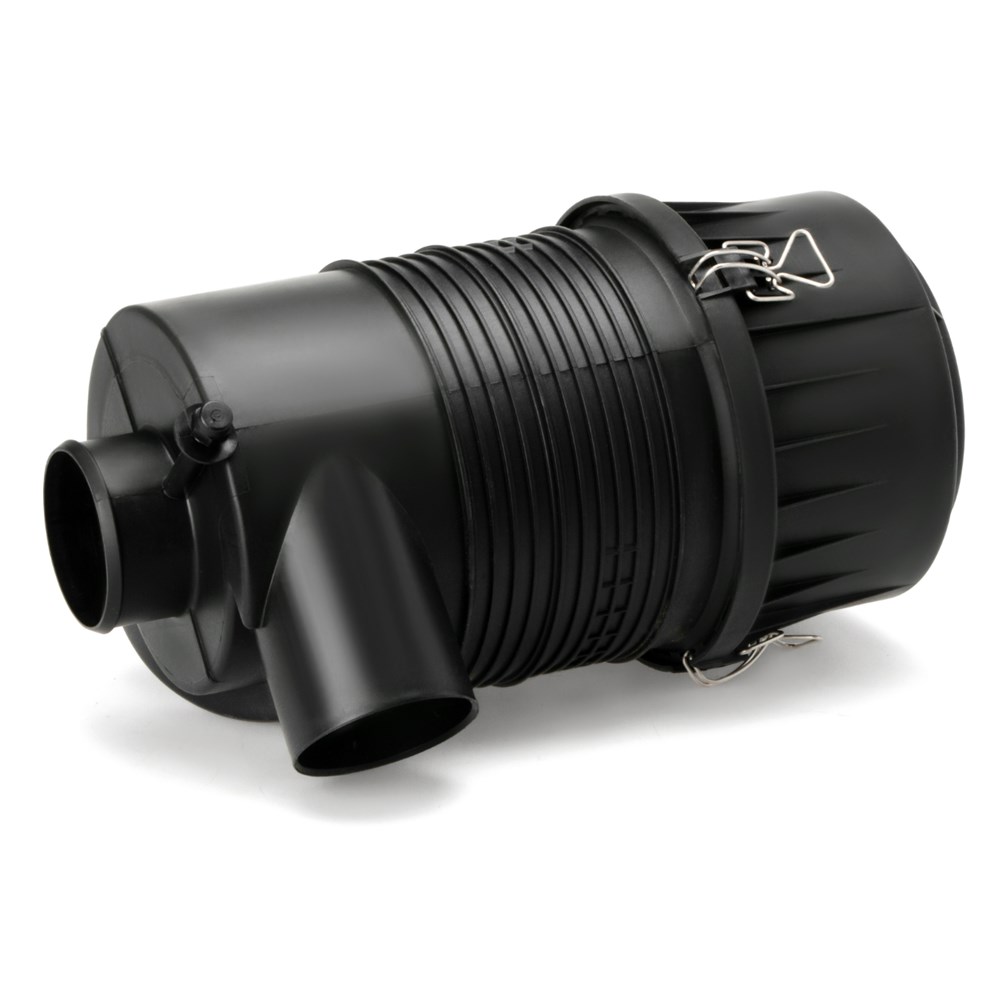
- Screw Compressor Housing Designed for high-capacity screw compressors
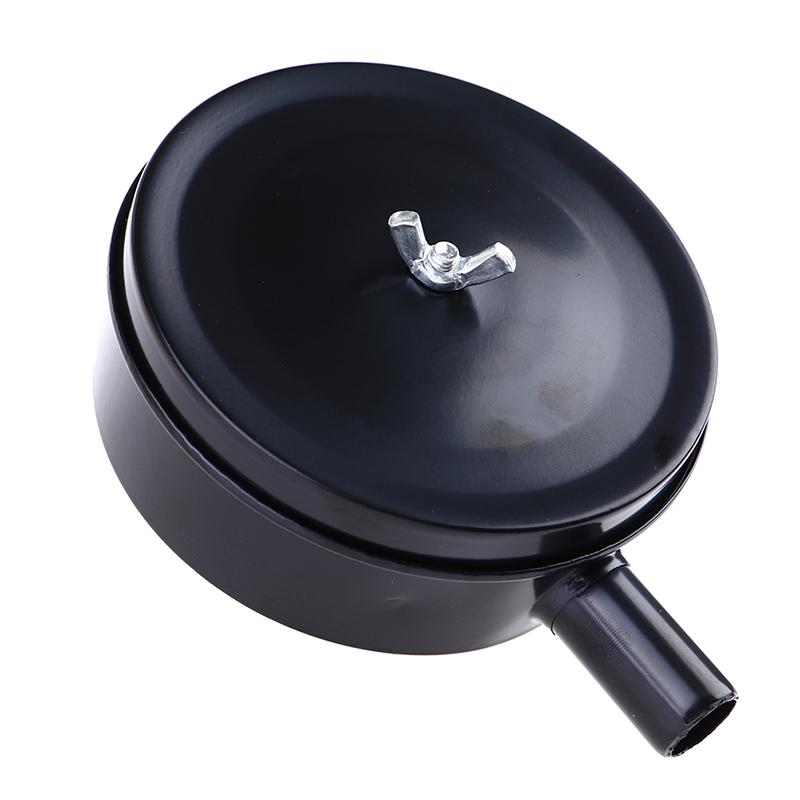
- Piston Compressor Housing Lighter, suited for small to medium compressors
- Centrifugal Compressor Housing Optimized airflow for very high capacities
- Panel Filter Housing Compatible with standard economy filters
- Pocket Filter Housing For multi-pocket filters with high filtration area
- Cartridge / HEPA Filter Housing For sensitive environments and precision filtration
Technical Features & Airflow Optimization Role
01
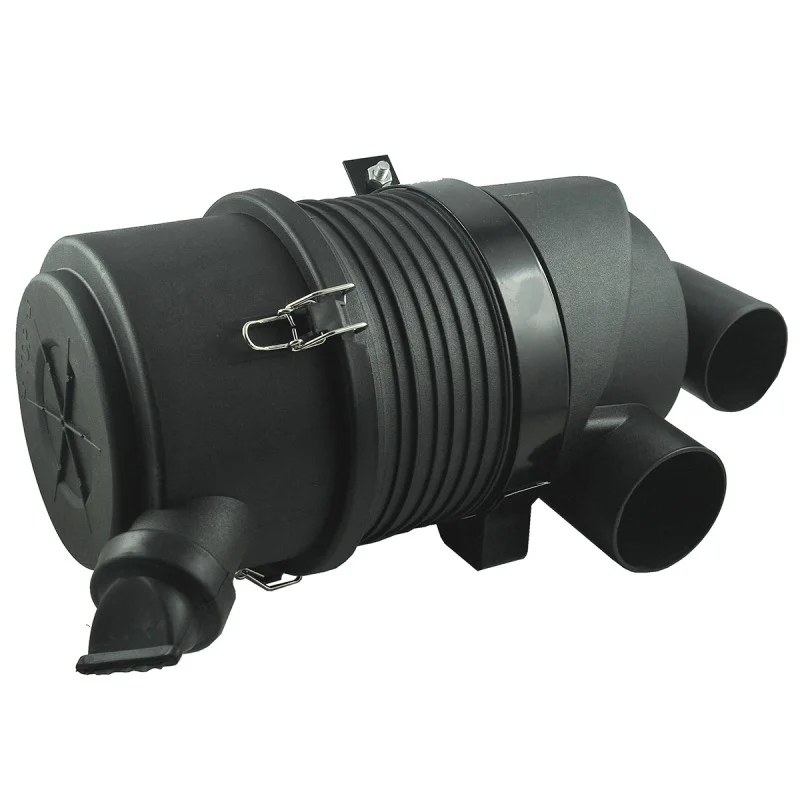
Mechanical Structure & Physical Protection
- Housings are made from resistant metals (stainless steel or aluminum) or engineering plastics to withstand high pressure, vibration, and temperature.
- The structure keeps the filter securely in place and protects it from mechanical damage and compressor vibrations.
- Filter protection ensures the full filtration area remains active and reduces airflow degradation.
02
Airflow Optimization
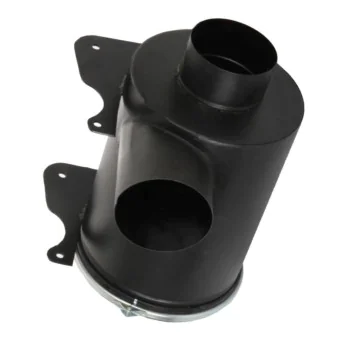
- Hydrodynamic inlet/outlet design distributes airflow evenly across the filtration surface.
- Without proper housing, air may bypass through low-resistance points, causing channeling and efficiency loss.
- Internal channel design ensures minimum pressure drop and uniform air velocity.
- Some housings feature internal baffles or diffusers that gently direct airflow across the filter surface.
03
Supporting the Filtration Process
- The housing acts as a controlled chamber, allowing the filter to operate at ideal pressure and air velocity conditions.
- These conditions ensure fine particles effectively impinge on and are captured by the filter surface, preventing bypass.
04
Technical Benefits of Housing
Reduces system pressure drop and optimizes energy consumption
Increases air-filter contact area, improving filtration efficiency
Prevents dust accumulation in non-functional areas
Extends filter and compressor life, reduces maintenance requirements
Housing Type Comparison
| Housing Type | Primary Application | Advantages | Air Capacity |
|---|---|---|---|
| Screw | Large industrial compressors | High durability, continuous duty | Very High |
| Piston | Small to medium compressors | Lightweight, easy install, cost-effective | Medium |
| Centrifugal | Turbines and centrifugal compressors | Best airflow efficiency | Extremely High |
Why Sepanta Palayeh Pars?
Sepanta Palayeh Pars, leveraging experienced engineers and advanced machinery, is capable of designing and producing all types of air filter housings to international standards. The company's housings are manufactured with high precision to meet the needs of industrial, automotive, and mining compressors.
Custom design based on airflow rate and installation space
Production in economy, industrial, and Heavy Duty grades
Certified domestic OEM manufacturer
Step-by-step quality control process
Full compliance with EN 779 and ISO 16890
Mass production capability with consistent quality